
Shadia Cabdi: From a Survivor of Female Genital Mutilation to a Lifelong Defender of Women and Girls – Saving Lives Through Humanitarian Action in Somalia
### A voice shaped by survival, courage and solidarity
In Somalia, where deeply rooted harmful traditional practices, gender-based violence, armed conflict and recurring humanitarian emergencies continue to threaten the lives and dignity of women and girls, Ms. Shadia Cabdi has emerged as a committed woman human rights defender and humanitarian worker.
Her commitment to defending women and girls is deeply personal. Having herself survived female genital mutilation (FGM), Shadia understands the physical, psychological and social consequences of this harmful practice. Rather than allowing her experience to remain a private burden, she has transformed it into a source of determination to protect other girls from undergoing similar violations.
Her advocacy addresses female genital mutilation, forced marriage, gender-based violence, discrimination and the systematic exclusion of women and girls from decisions affecting their lives.
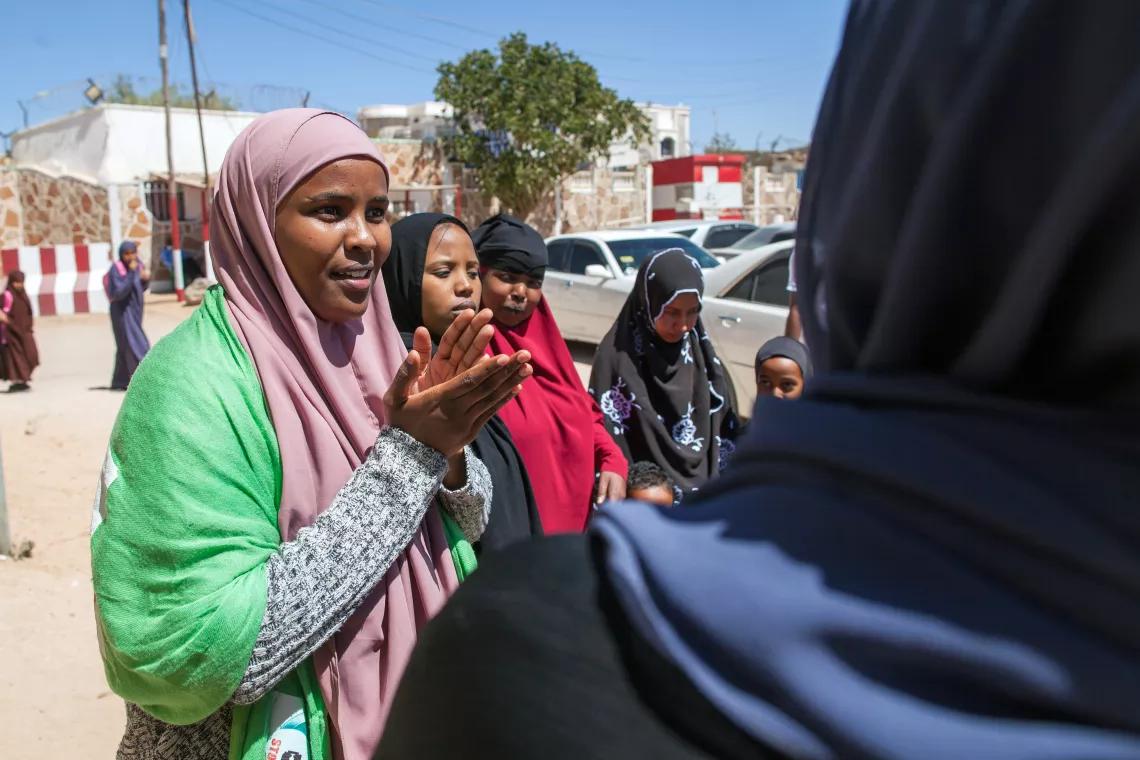
Shadia’s work extends beyond awareness-raising. She engages directly with vulnerable women, girls and families, challenging harmful social practices, encouraging community dialogue and supporting individuals exposed to violence and exploitation.
### Protecting girls from FGM and forced marriage
In communities where girls may face pressure to undergo FGM or enter marriages against their wishes, Shadia works to create spaces where women and girls can discuss their experiences, understand their rights and seek assistance.
Her approach recognises that protecting a girl requires more than telling her that FGM and forced marriage are wrong. It requires engagement with families, community members and local stakeholders, as well as practical support for girls facing immediate threats.
For example, an illustrative case for CSHRD to investigate and document would involve a girl whose family intended to subject her to FGM or arrange an early marriage. Shadia’s intervention could include identifying the protection concern, engaging trusted community members, connecting the girl with appropriate protection services and helping her access a safe environment.
Such cases, if documented and verified, would demonstrate the direct relationship between her advocacy and the prevention of serious harm.
### Saving lives during humanitarian emergencies in Beledweyne
Beyond her women’s rights advocacy, Shadia has been involved in humanitarian assistance to vulnerable communities in Somalia, particularly in Beledweyne, one of the areas repeatedly affected by severe flooding and displacement.
The humanitarian situation in Beledweyne is particularly challenging because communities face overlapping risks arising from the flooding of the Shabelle River, destruction of homes, loss of livelihoods, food insecurity, disease outbreaks and insecurity associated with armed conflict.
Women, children, older persons, persons with disabilities and displaced families are particularly vulnerable.
During flood-related emergencies, Shadia’s humanitarian engagement has included supporting affected communities in accessing humanitarian assistance.
Her work reflects an understanding that humanitarian protection must be practical and immediate. For a displaced mother, access to food, clean water, temporary shelter and essential healthcare can determine whether her family survives an emergency.
An illustrative intervention requiring confirmation through CSHRD’s records could describe Shadia helping identify vulnerable households, communicating their urgent needs to humanitarian responders, facilitating referrals and supporting women and children seeking emergency assistance.
### Courage despite personal risks
Shadia’s commitment has not come without consequences.
Her human rights activities and public engagement in defence of women and vulnerable communities have exposed her to intimidation, discrimination, detention and serious threats. Information previously provided by CSHRD also refers to attempted assassinations and persecution associated with her human rights work.
Her case has attracted attention from international human rights protection organisations, including Front Line Defenders.
Her experience demonstrates the particular vulnerability of Somali women human rights defenders who challenge harmful traditional practices while operating in an environment characterised by insecurity, discrimination and limited protection mechanisms.
### A woman who turned her experience into protection for others
Shadia’s story is not simply one of activism. It is a story of personal resilience transformed into collective responsibility.
She represents women who refuse to accept that the suffering they have experienced should be repeated by the next generation.
By combining advocacy against FGM and forced marriage with humanitarian engagement in crisis-affected communities, she demonstrates that defending human dignity requires both confronting structural violations and responding to immediate threats to life.
Her contribution deserves recognition as part of the wider struggle of Somali women who continue to protect others despite the personal dangers associated with their work.
HANAHR News Report Desk