
Silencing Courage: The Draconian Sentence Against Somali Activist Sadia Moalim.
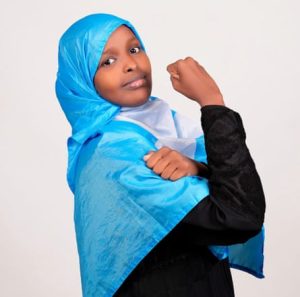
In Somalia today, speaking the truth has become one of the most dangerous acts a citizen can undertake. For women human rights defenders, the cost of exercising their fundamental freedoms is often intimidation, harassment, arbitrary arrest, prosecution, and public vilification. The recent sentence imposed on activist Sadia Moalim has become a stark reminder of the shrinking civic space and the growing risks faced by those who dare to criticize those in power.
Sadia Moalim has become one of the most recognizable voices calling for accountability, transparency, and good governance in Somalia. Like many activists before her, she chose peaceful advocacy over silence, believing that citizens have the right to question corruption, demand justice, and hold public officials accountable.
Instead of responding to criticism through dialogue and democratic engagement, the authorities subjected her to criminal proceedings that resulted in a harsh sentence widely viewed by many observers and civil society actors as disproportionate. Her case has sent a chilling message throughout Somalia’s human rights community: dissent may be met with punishment rather than protection.
Women human rights defenders in Somalia continue to operate in one of the world’s most challenging environments according to the Coalition of Somali Human Rights Defenders CSHRD. They face threats from multiple directions, including armed groups, clan-based actors, online harassment, and, in some instances, restrictive actions by state authorities. Many experience gender-based intimidation, smear campaigns, surveillance, arbitrary detention, and judicial harassment simply because they advocate for human rights, women’s participation, or government accountability.
The case of Sadia Moalim illustrates broader concerns about freedom of expression and civic space. Peaceful criticism of government policies, allegations of corruption, or calls for reform should not result in criminal sanctions. Democratic societies depend on citizens being able to express dissent without fear of retaliation. The Coalition of Somali HRDs CSHRD has held solidarity activities for Sadia and offered practical support to her and her family as part of holistic support to mitigate risks, strengthen her moral and offer her protectio. (See photo below)
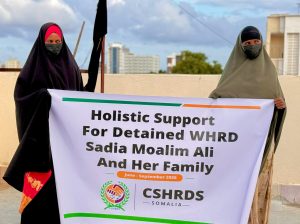
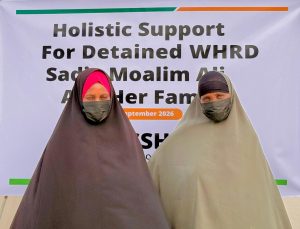
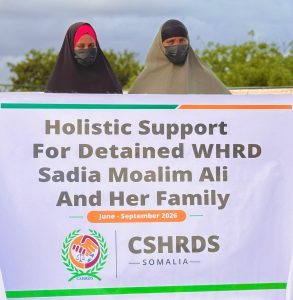
CSHRD Support for Sadia through her family members.
The continued targeting of activists, journalists, and women human rights defenders risks creating an atmosphere of fear in which fewer people are willing to expose corruption, document abuses, or advocate for marginalized communities. Such an environment weakens democratic governance and undermines Somalia’s commitments under international and regional human rights law.
The international community, including the United Nations, the African Commission on Human and Peoples’ Rights, diplomatic missions, and international human rights organizations, should closely monitor cases involving human rights defenders and encourage respect for due process, judicial independence, and the rights to freedom of expression, peaceful assembly, and association.
Sadia Moalim’s case is about more than one individual. It symbolizes the broader struggle of Somali women and civil society actors who continue to raise their voices despite enormous personal risk. Their courage deserves protection—not prosecution.
A society that punishes peaceful criticism ultimately weakens itself. Lasting peace, accountability, and democratic governance are strengthened when governments protect the rights of citizens to speak freely, challenge authority peacefully, and participate in public life without fear of reprisals.
WHRDs Advocacy Team